

Why Do You Live Here?
After twenty years in Buenos Aires, I finally have an answer.

On July 18, 2006, I landed in Buenos Aires for what was supposed to be a six month study abroad program. I was a twenty year old vegetarian, barely spoke Spanish, and arrived with a suitcase full of summer clothes because it hadn’t occurred to me that seasons were reversed in the Southern Hemisphere. Most of what I knew about Argentina came from Destinos, the low-budget telenovela we watched in high school Spanish class, and The Motorcycle Diaries.
Choosing Buenos Aires felt only slightly more deliberate than spinning a globe and pointing. I wanted to learn Spanish, live in a big city, and go somewhere other than Spain, where nearly everyone I knew seemed to be spending a semester abroad. In reality, I mostly chose Argentina because the name sounded exotic and far away. Ar-hen-tiiiiina. Sexy, unique, dramatic. I liked to think this made me different. I didn’t know what I was looking for, but Argentina sounded like an adventure. And as a twenty year old political science major studying in Madison, Wisconsin, that was enough.
I arrived two days before Día del Amigo, Friendship Day, a holiday I had never heard of in a country where I didn’t yet have any friends. Signs advertising it were everywhere, and I liked the idea immediately. I had no sense then of how much the friendships I’d build here would shape the rest of my adult life. Or that Argentina itself would become the longest relationship I’d ever manage to maintain, which may say something admirable about commitment or something more telling about my tendency to stay in toxic relationships a little too long.
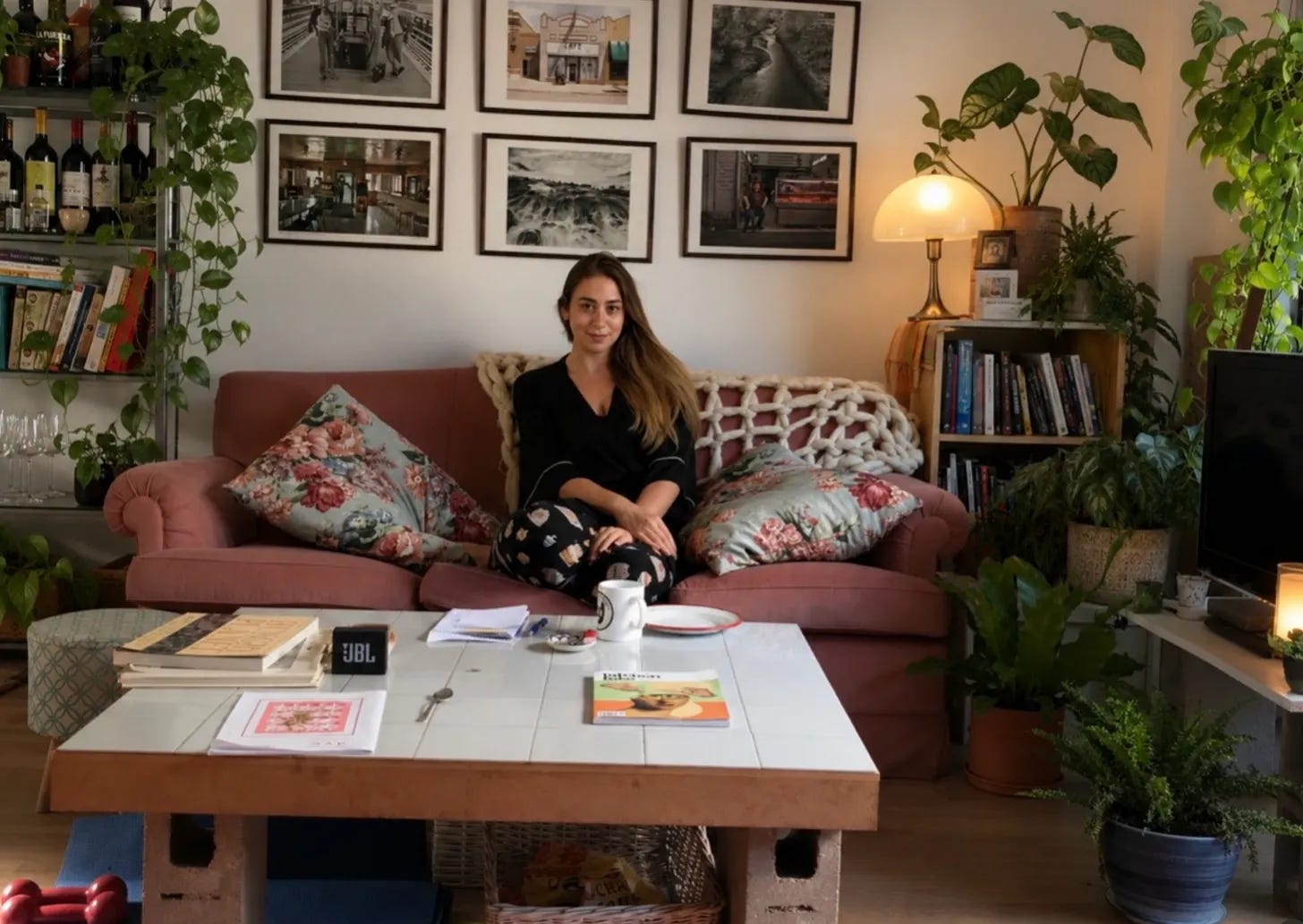
There are two questions I’ve answered more than any others over the past twenty years:
¿De dónde sos?
¿Por qué vivís acá?
The first one is easy: “Where are you from?”
Chicago. Well, technically Highland Park, Illinois, a suburb just north of the city where Michael Jordan once lived and several John Hughes movies were filmed. It’s easier to just say Chicago, since most Argentines wouldn’t get the references. Sometimes they mention Nueva Chicago, the football club on the western edge of the city, so I have a Mataderos joke ready. If they call it la ciudad del viento, I can also launch into my fun fact about why Chicago is called the Windy City. (It’s not because of the wind.)
The second question is harder: “Why do you live here?”
It’s usually accompanied by the classic Porteño gesture of all five fingertips pressed together, wrist slightly bobbing in the air, and a look of bewilderment. The subtext is usually the same: Of all the places in the world... why live here?

For years, I struggled to come up with a satisfying answer. Because the question is asked with such conviction, people seem to expect an equally dramatic story: A great love. A dramatic escape. An obsession with tango, meat, Maradona or Messi. Some passionate Argentine gaucho who rode in on horseback and swept me off my feet. A story worthy of moving to the other end of the world and staying for half my life.
Instead, I’d say something like: “I came here for an exchange program and I stayed.” Maybe I’d elaborate, “One semester became another. Then came jobs, friends, apartments, relationships, a dream career, a life. Plus, time fucking flies.”
I’d watch their faces, waiting for the moment my answer disappointed them. (It usually did.) I learned that nobody wants a boring answer; they want destiny. I’ve considered making up a romantic fairy tale (or a disturbing horror story) but lying requires a much better memory than I have.
So I defaulted to an answer that was safe and true: I’d tell them I love Argentina, that it’s one of the most beautiful countries in the world.
This is often met with disbelief, followed by a comprehensive list of everything wrong with the country: inflation, corruption, insecurity, crime, the economy, the current government, the previous government, the government that will inevitably replace this government. Inflation again.

I learned the rules early on. Argentines can talk shit about Argentina all they want, but I have to watch what I say. It’s like family: I can complain about my mom, but if you do, YOU’RE DEAD TO ME.
So I remind them that where I’m from is no utopia, and pivot to what I love about Argentina: the vast and varied landscapes, friendships that function like family, a culture that values relationships more than work, and of course all the people who are ridiculously attractive. Finally, I deliver the line that never fails: “Argentina es el mejor país del mundo. Tiene todos los climas!”

A few weeks ago during Argentina’s World Cup match against Switzerland, my brother texted me: “This game is rigged.”
“You’re not rooting for Argentina?!” I asked.
“I want the underdog to win,” he said.
Judas! My own brother.
Online, the mood was hostile: arrogant, racist, a team of unsportsmanlike cheaters. My feed read like one long anti-Argentina campaign. I found myself doing PR and defending the country anyway: arguing with my brother, sending skeptical friends videos of Afro-Argentine historians debunking viral myths, and forwarding clips of the emotional football roller coaster unfolding in the streets: the anxiety, the suffering, the tears, the embraces, and the pure, delirious joy, as if that explained something the internet had missed.

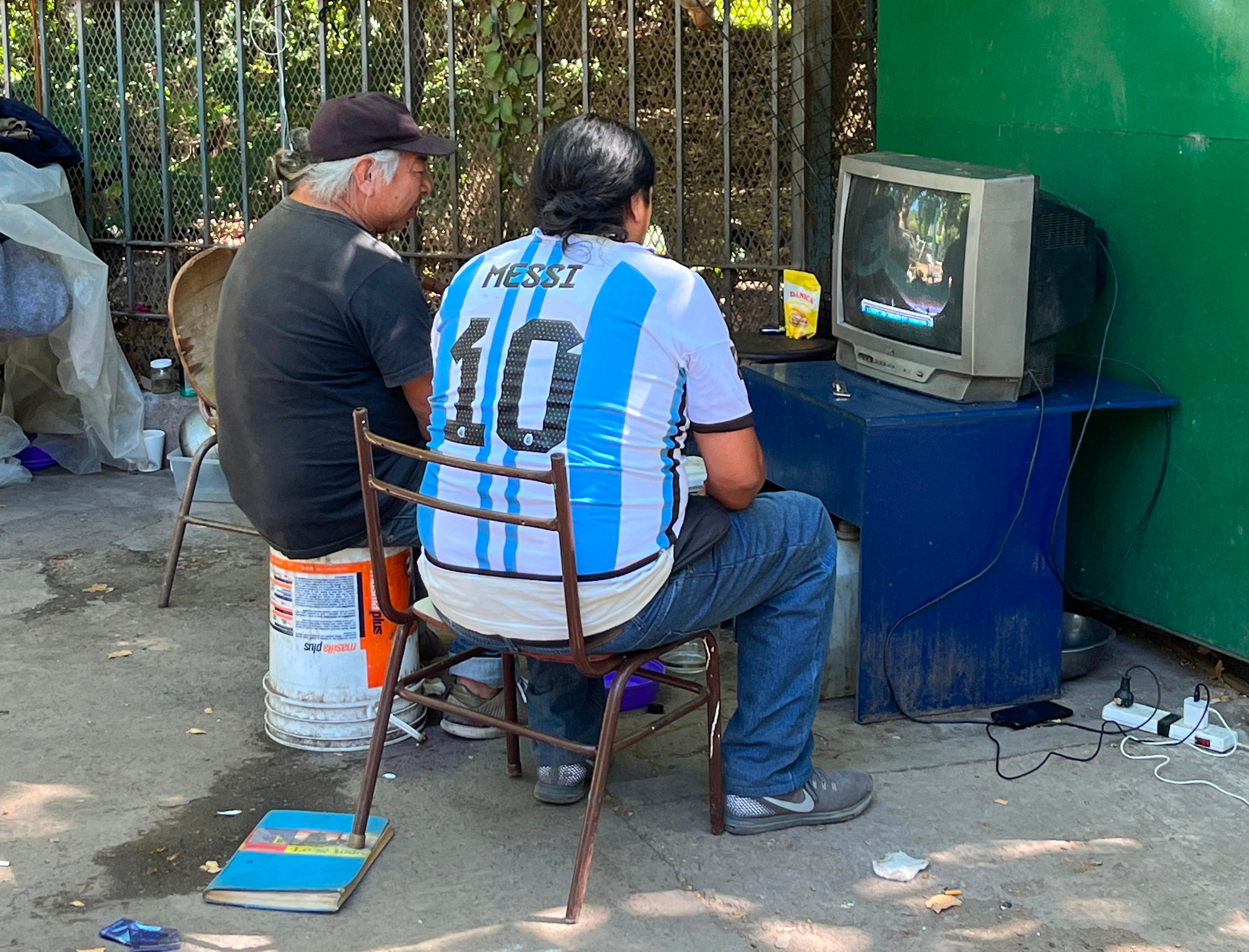
I know this country isn’t for everyone. I haven’t exactly chosen a simple existence living here. Argentina has rarely made my life easier. But it has made it fuller. Not through any single dramatic transformation, but in hundreds of small ways.
I got my first taste of Argentine chaos when I studied at the Universidad de Buenos Aires. If it rained a lot, classes were canceled because water leaked through the roof. I remember thinking, I don’t have to go to school because it’s raining? This place is awesome!
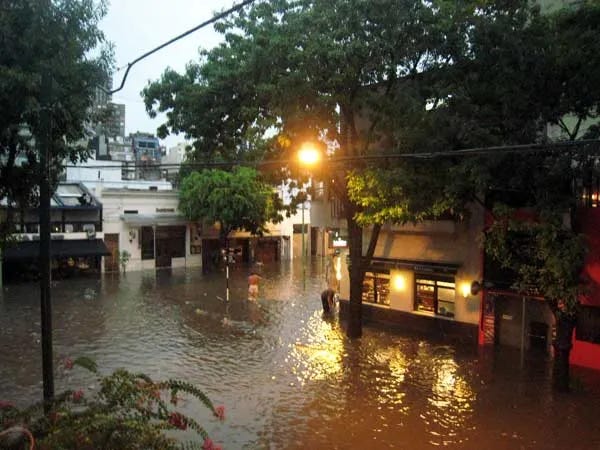
I learned that life here rarely unfolds according to plan. A thunderstorm. A strike. A blackout. Inflation. A last-minute change of venue. Someone (often me) showing up late because, well... Argentime. You complain, adapt, make a Plan B, suffer, then a Plan C, and eventually stop expecting certainty in the first place.
Maybe life is like this everywhere. Argentina just made me better at rolling with the punches.
It turns out I function well when things slightly fall apart. And if I fail, at least I have a decent excuse. That may explain why I’ve lasted here so long and I keep choosing to come back.
Over time, the country changed my sense of what deserved my attention. An asado isn’t just dinner; it’s an entire day’s ritual. Plans made on a whim become the best nights of the week. And a friend’s problem may require podcast-length voice notes in the group chat, with everyone weighing in.
Then there was the city itself. Every new neighborhood, friendship, or invitation seemed to open the door to another world. One week I’d be judging an empanada competition, the next dancing until sunrise at a queer tango-themed kink party. I’d follow friends to places I never would have found on my own, like a Ramones cover band that turned out to be a hangout for swingers. Curiosity was usually rewarded. If I had the time, and I made sure I did, I'd take the colectivo or walk instead. The best discoveries usually happened somewhere between where I was going and where I ended up. Twenty years later, I know this city better than any other in the world, and it still surprises me.

I’ve had plenty of opportunities to leave over the years. My work takes me away for months at a time, and every year I find myself imagining what life might look like somewhere else, closer to family, closer to more financial stability, wondering whether this is finally the year I give another city a real chance.
Argentina is also far. Really far. And sometimes I need the break. Buenos Aires can be loud, exhausting, and emotionally intense. It’s not like living somewhere in Europe, where another country can be a quick train ride or cheap flight away. Saying yes to BA also means costly flights that require planning. I’m not going to travel 17 hours, spend two grand on flights, and stay for one week, I gotta make each trip count. So I stay for a while.
But eventually, I always start missing my BA life and my semi-furnished apartment (I don’t own my own fridge or couch, which may say more about my fear of commitment than anything else.) I imagine what it would actually mean to build a life somewhere else, somewhere closer, but the thought of leaving Buenos Aires for good fills me with more anxiety than staying.
At some point, my family and friends stopped asking when I was coming back (sorry, Mom) and started asking whether Argentina would be home forever. I usually tell them I don’t know. I don’t have a crystal ball. I barely know what I’m eating for lunch. For now, it is. Tomorrow? We’ll see. Like I said, commitment issues.
There’s an Argentine saying that people often tell me: El argentino nace donde quiere (an Argentine is born wherever they choose). I don’t think twenty years here made me an Argentine, but it does make Buenos Aires home.
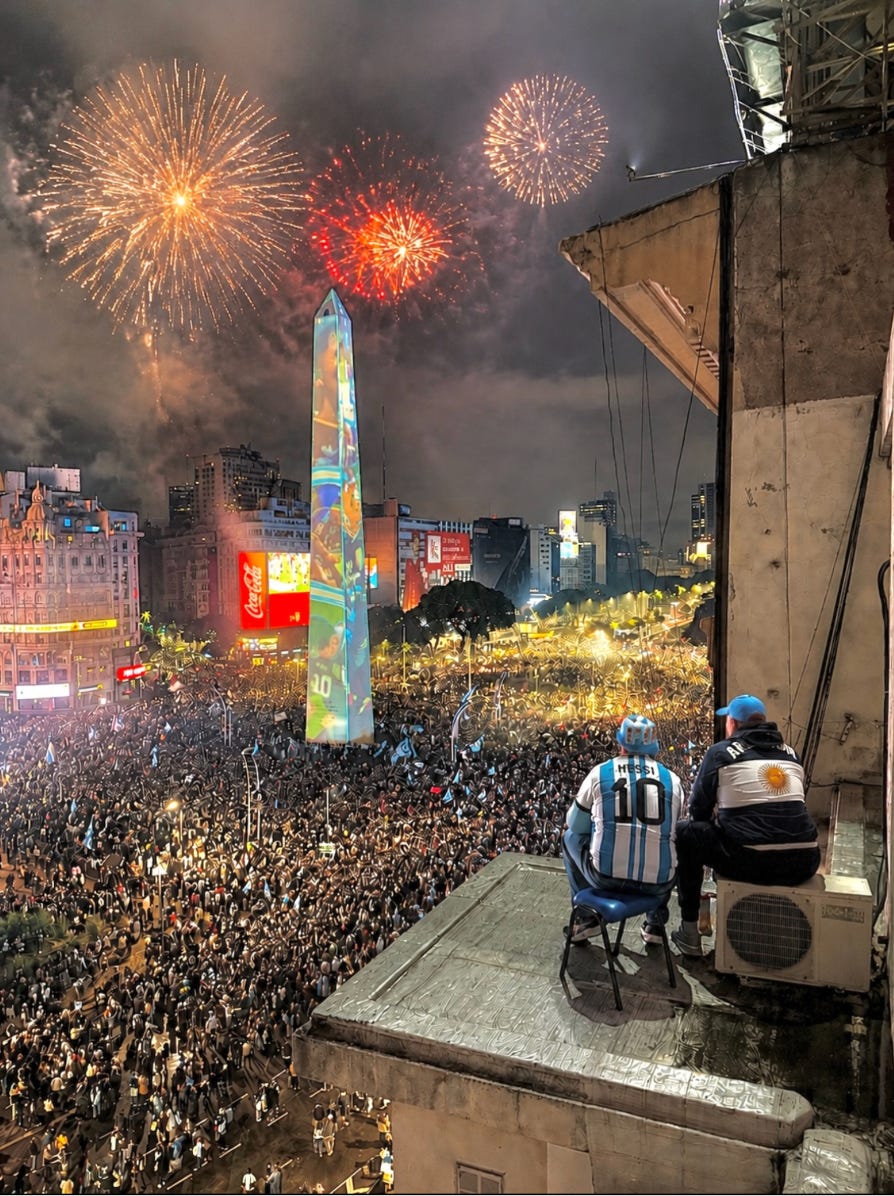
Te amo desde Cemento
la cantidad de amigos que visitaron como 'expats' y se terminaron quedando, teniendo la oportunidad de vivir en cualquier otro lugar, eso es Buenos Aires !